
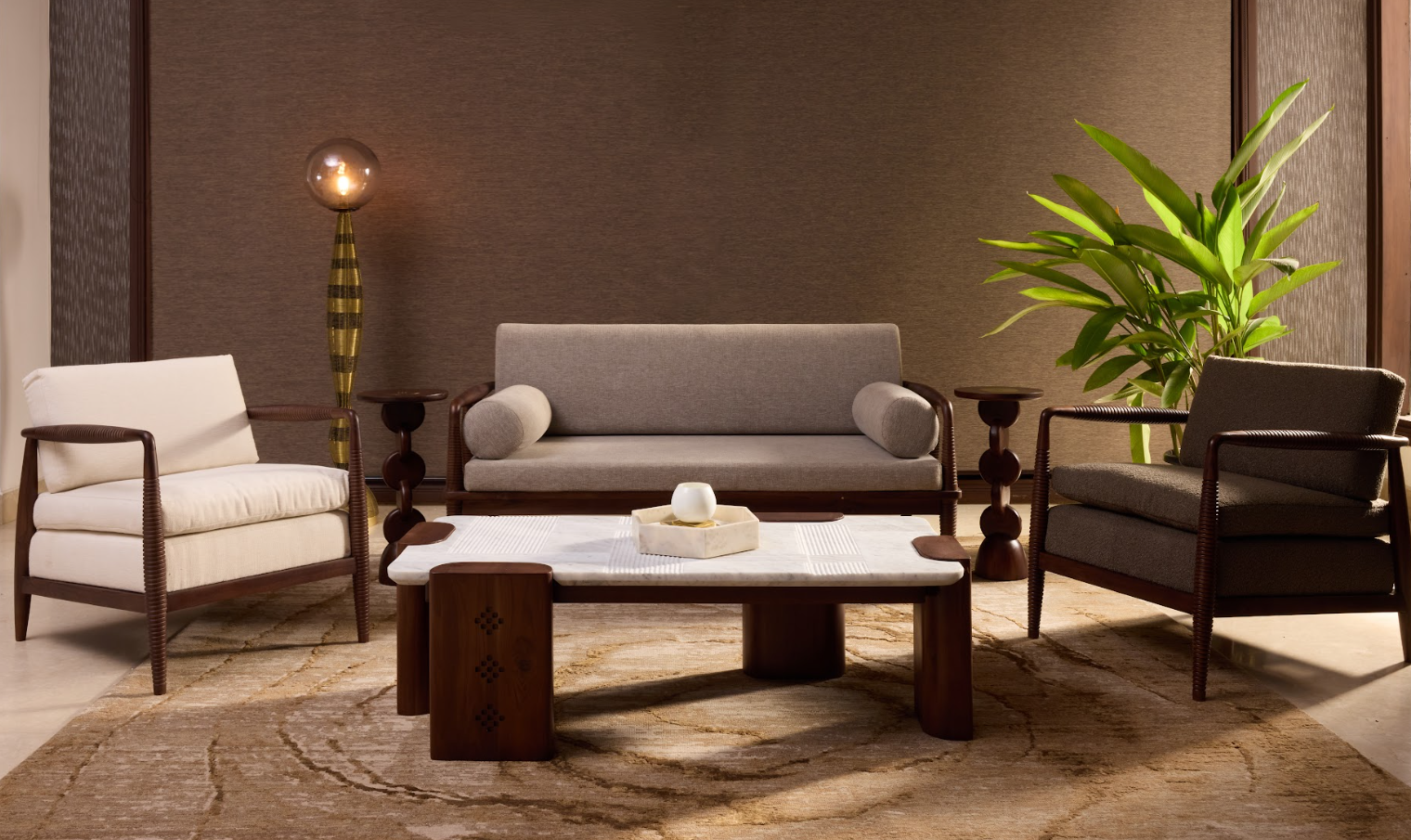
Think of the most used and important piece of furniture in your home and it is not uncommon for you to think of your sofa or couch as it is also called. A ubiquitous feature of most living rooms, a well-designed sofa serves as the cornerstone of any interior. It embodies a balance between form and function and feels effortless rather than imposed.

A thoughtfully selected sofa goes beyond trends, bringing a sense of balance, longevity, and refinement to the room. It just not a functional piece but an enduring addition that enhances everyday living. A sofa should be positioned to encourage natural interaction rather than formal symmetry. It works best when it anchors a space without dominating it – allowing circulation, light, and conversation to flow easily.

Current Trends in Sofa Design
Sofa designs today are moving towards softer forms and greater comfort. Curved and organic shapes are replacing strict, straight lines, making seating feel more relaxed and inviting. Deep seats with plush cushioning are increasingly popular as living spaces become more informal and multi-use. There is also a noticeable shift towards natural and sustainable fabrics, with textured finishes that add warmth and character to interiors.
Shift Towards Softer, Organic Forms: Sofa designs are increasingly moving away from sharp, rigid lines and embracing curves, rounded edges, and fluid silhouettes. These softer forms make seating feel more relaxed and welcoming, reflecting the way modern homes are becoming more easy-going and lived-in.

Comfort-Led Design and Deeper Seating: Comfort is now at the heart of sofa design. Deeper seats, lower profiles, and plush cushioning are becoming the norm, as sofas are expected to support everything from casual lounging to long conversations and everyday downtime in multi-purpose living spaces.

Preference for Natural and Textured Fabrics: There is a clear preference for natural, tactile fabrics such as linen blends, bouclé, cotton, and wool. These textured finishes add warmth and depth, helping create interiors that feel cosy, layered, and visually interesting.

Sustainability and Thoughtful Craftsmanship: Sustainability is playing a bigger role in design choices, with more emphasis on responsibly sourced materials and quality craftsmanship.

Neutral, Earthy Colour Palettes: Soft neutrals and earthy tones like beige, warm greys, muted browns, and subtle greens continue to be popular. These colours offer flexibility and blend effortlessly into different interior styles, making them easy to live with over time.
Styling Tips
While styling a sofa, the first step is to ensure that everything feels connected. Placement should encourage conversation and flow, not obstruct it. A sofa should always be anchored, ideally by a rug that frames the seating area and brings cohesion to the space. Styling should be thoughtful and restrained; layer cushions in complementary textures, add a throw for warmth, and allow space around the sofa so it can breathe. The goal is to create a setting that feels inviting rather than arranged.

Homes today are fluid, and furniture must respond to that. Sofas are increasingly designed to adapt- through modular configurations, extended lounging formats, and integrated functionality that supports different moments of the day. What matters to us is that this multifunctionality remains discreet. A sofa should shift effortlessly from everyday comfort to hosting without losing its sense of elegance. It must serve many purposes while remaining timeless at its core.
